What Really Happens During a Product Inspection in China? A Step-by-Step Breakdown
You wire-transferred 30% to a factory in Guangdong. Three weeks later, production is "almost done." The supplier sends you five polished photos and says everything looks perfect.
But what if those photos were staged? What if the batch behind the camera is completely different?
This is why third-party inspection exists. Not because suppliers are dishonest — but because distance, language barriers, and production pressure create blind spots that photos can't fix.
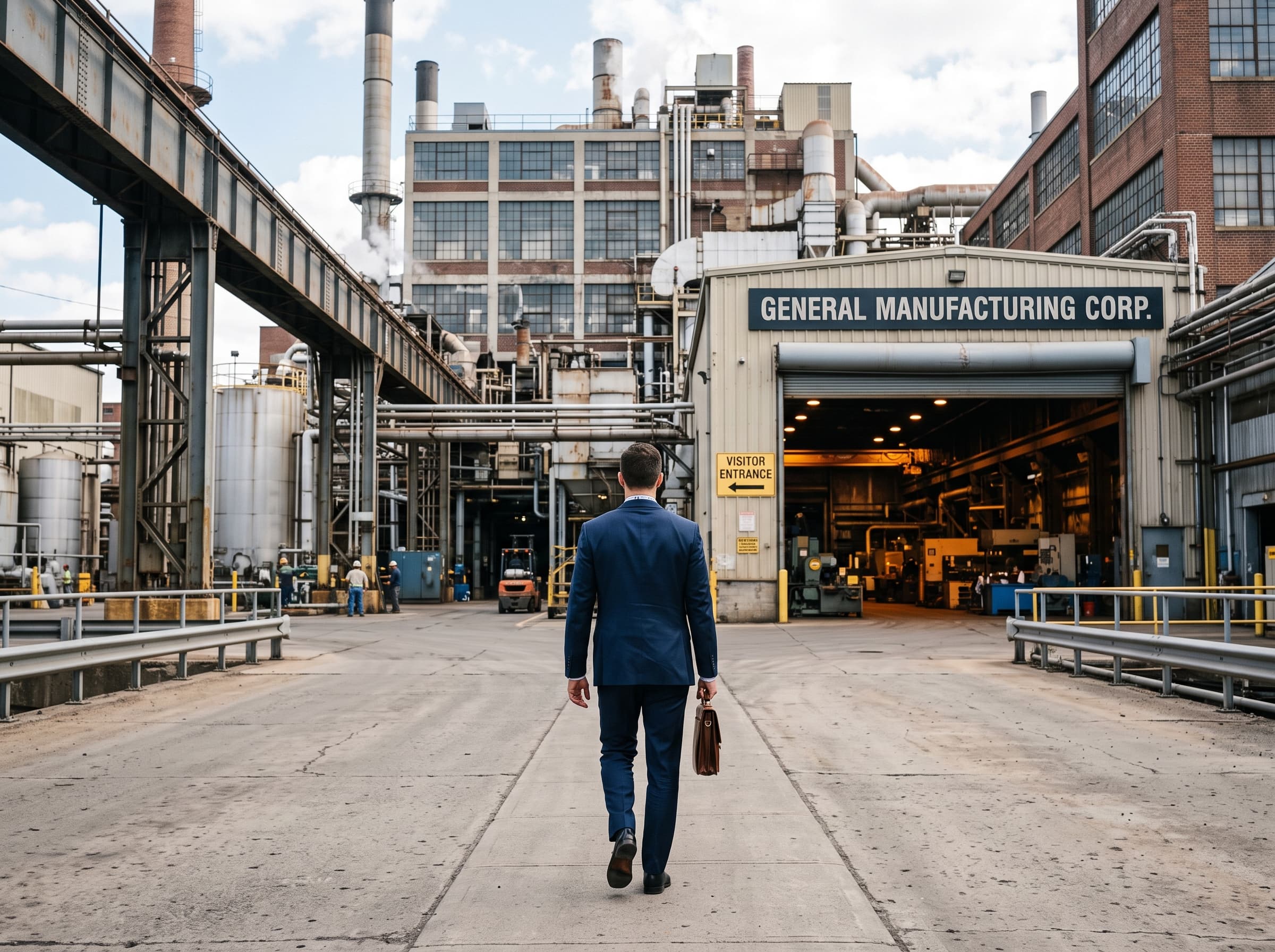
Here's exactly what happens when a professional inspector walks into that factory.
Step 1: Planning Before the Visit
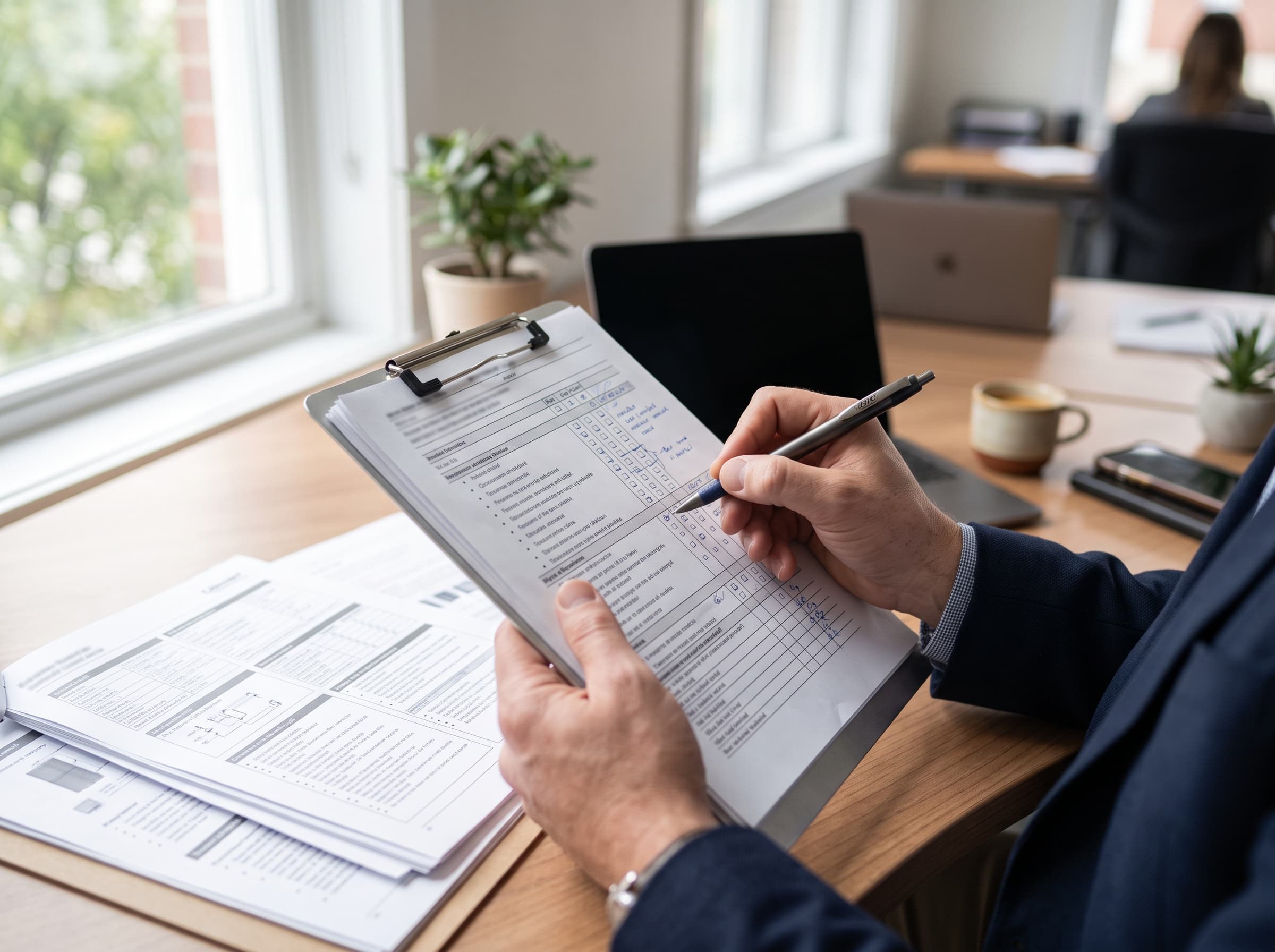
The inspection starts days before anyone steps into the building. The inspector reviews your purchase order, product specifications, approved samples, and any special requirements you flagged.
They build a checklist based on international standards (like ISO 2859-1 for sampling) and your specific expectations. This isn't generic — a kitchenware inspection checks different things than an electronics inspection.
The inspector also coordinates with the factory to confirm access, production status, and which areas will be available. A good inspection company schedules within 48 hours of your request.
Step 2: Arrival and Opening Meeting
The inspector arrives unannounced or at the agreed time. The first 15-30 minutes are critical:
Verify factory name and address match the business license
Confirm the person meeting them has authority
Review the day's production schedule
Identify where finished goods, packed cartons, and production lines are located
This opening meeting sets the tone. Experienced inspectors know that factories sometimes rush to hide problems when they know someone is coming.
Step 3: Random Sampling (The Most Important Part)
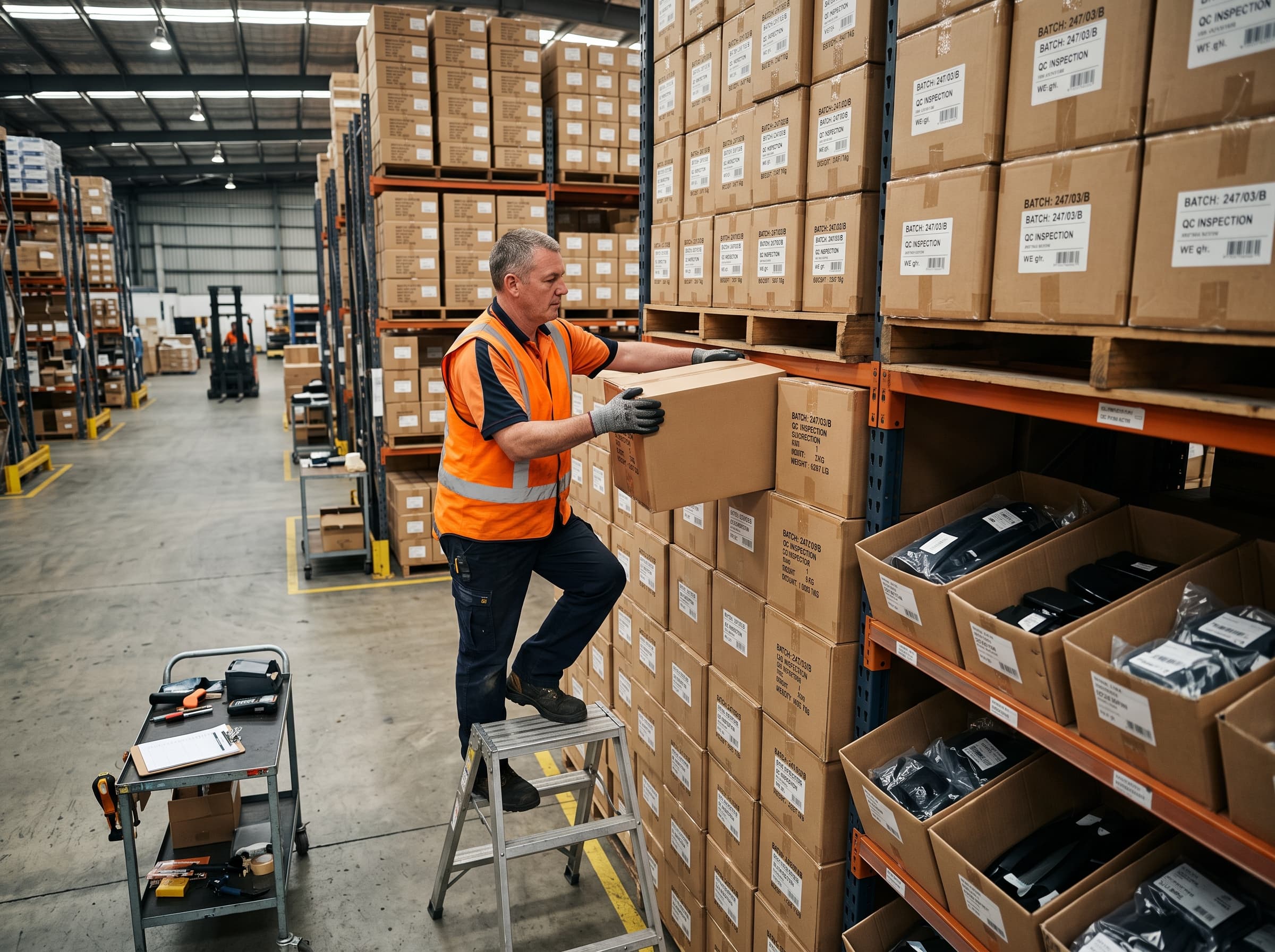
The inspector doesn't check every single unit. That would take days and cost a fortune. Instead, they use Acceptable Quality Level (AQL) sampling — a statistically valid method.
Here's how it works:
They calculate how many units to check based on your total order quantity
They select samples randomly from across the batch — not just the cartons near the door
They spread samples across different colors, sizes, SKUs, and production dates if applicable
This randomness is what makes the inspection trustworthy. A factory can't game it by preparing "good" cartons up front.
Step 4: The Actual Checks
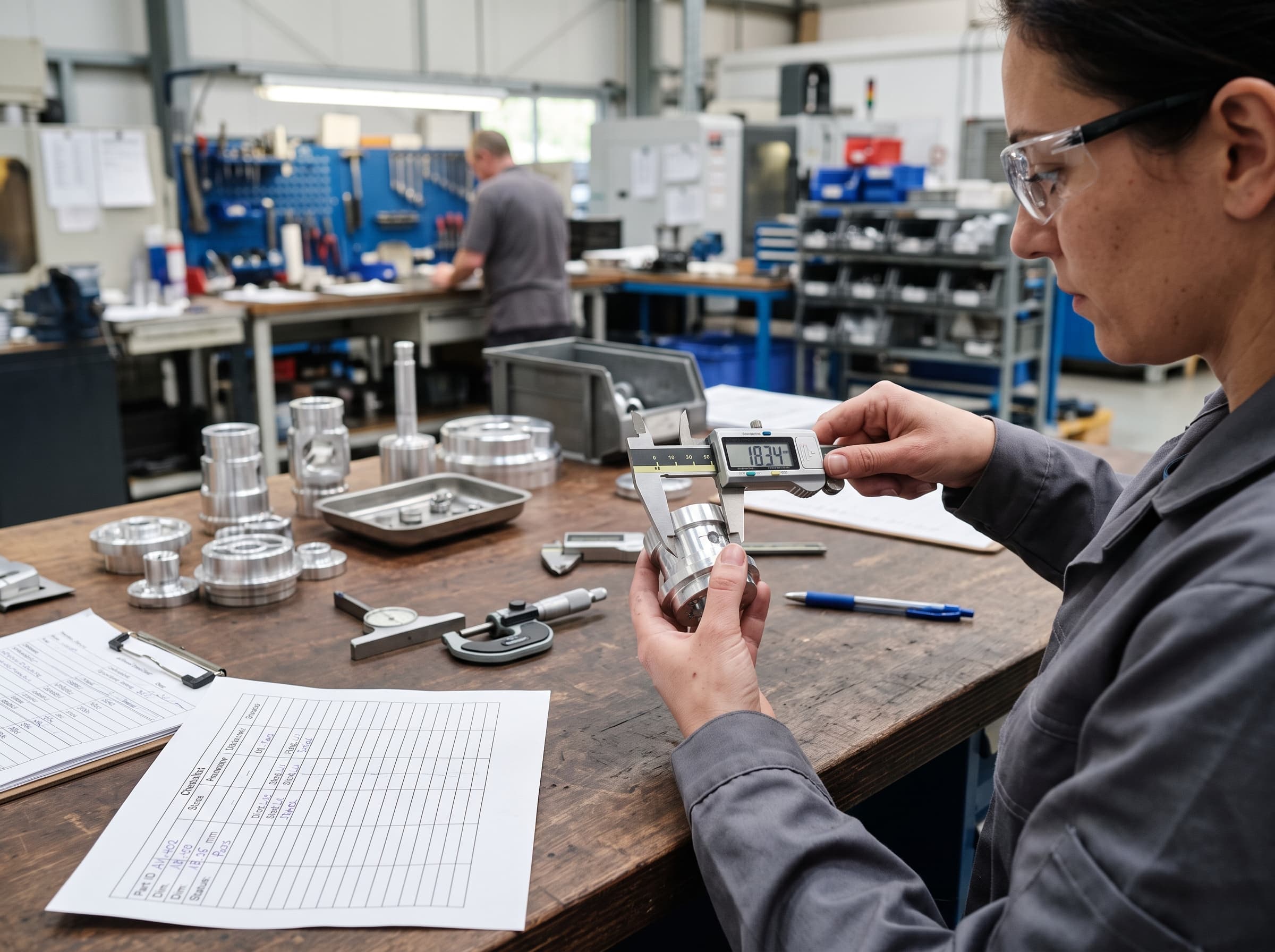
Now the hands-on work begins. The inspector goes through a structured checklist:
Visual and Workmanship Check
Scratches, dents, color variations, alignment issues
Stitching quality (for textiles), surface finish (for metal/plastic)
Overall appearance against your approved sample
Measurements and Specifications
Product dimensions against your engineering drawings
Weight checks
Packaging dimensions for shipping compliance
Functionality Testing
Does the product work as intended?
Electronics: power on, charge cycles, button response
Mechanical items: moving parts, load testing
Kitchenware: heat resistance, magnet tests for induction compatibility
Packaging and Labeling
Carton strength and sealing
Barcode scanability (critical for Amazon FBA)
Warning labels, country of origin, handling instructions
Inner packing: inserts, protection, correct quantity per box
Quantity Verification
Count packed units against purchase order
Check if the factory "accidentally" mixed inspected and uninspected cartons
Step 5: Documentation — Photos, Notes, Evidence
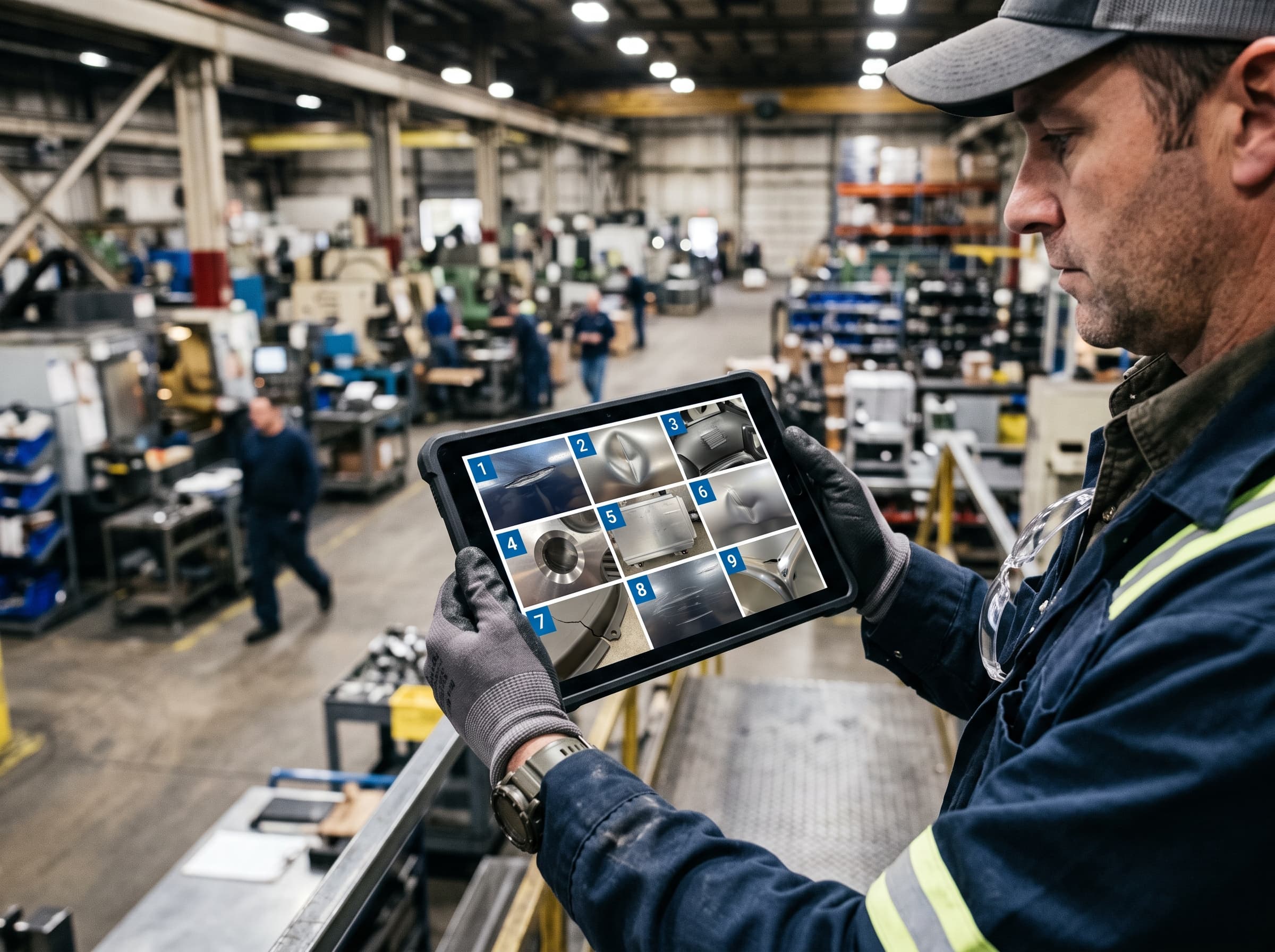
Every finding is documented with:
Timestamped photos (usually 30-80 per inspection)
Measurement tables with actual vs. specified values
Defect classification: critical, major, or minor
Test results and tool calibration records
The inspector doesn't just say "it looks bad." They show you exactly what's wrong, where it is, and how many units are affected.
Step 6: The Closing Meeting
Before leaving, the inspector sits with factory management and reviews findings:
Shows photos of defects found
Explains which AQL thresholds were exceeded
Discusses possible rework or corrective actions
Confirms factory acknowledgment
This meeting is crucial. It prevents the factory from later claiming "we didn't know there was a problem."
Step 7: The Report — Your Decision Tool
Within 12-24 hours, you receive a detailed inspection report. A good report includes:
Executive summary: Pass, Fail, or Hold
Defect breakdown by type and severity
Photo evidence for every issue
Quantity verification results
Packaging and labeling compliance status
Inspector's recommendation
This report is your leverage. If it shows a 15% defect rate, you have objective evidence to demand rework, negotiate a discount, or reject the shipment before paying the balance.
Why This Matters for Your Business
One day of inspection costs a fraction of your shipment value. But the cost of receiving defective goods?
Customer returns and refunds
Amazon account suspension (for FBA sellers)
Months of back-and-forth with the factory
Potential legal disputes
In 2025, 82% of Western importers now require digital, real-time reporting from the factory floor. The standard has shifted from "trust the supplier" to "verify everything."
Ready to Protect Your Next Shipment?
At Shayyek, we connect you with professional inspectors across China — from Shenzhen to Yiwu to Ningbo. You get real photos, real reports, and real peace of mind before your goods ever touch a container.
Book your first inspection today at shayyek.app
Tags: product inspection, China sourcing, quality control, factory audit, third party inspection, import from China, pre-shipment inspection
Author: Shayyek Team
Ready to protect your next order?
Create your free Shayyek account and post your first inspection job.
إنشاء حساب